

In-Depth Water Quality Analysis
in Cape Coral & Lee County, FL
A number without context is just a number. When we analyze your water, we test on-site, review every result with you in plain language, and connect each finding to what it means for your plumbing system, your appliances, and your family's daily water use. Then, and only then, we recommend a solution. no assumptions. No generic packages. No pressure.
Schedule Your Water Analysis
We come to your home, test on-site, and explain every result, before recommending anything.
Book Water AnalysisCape Coral & Lee County FL

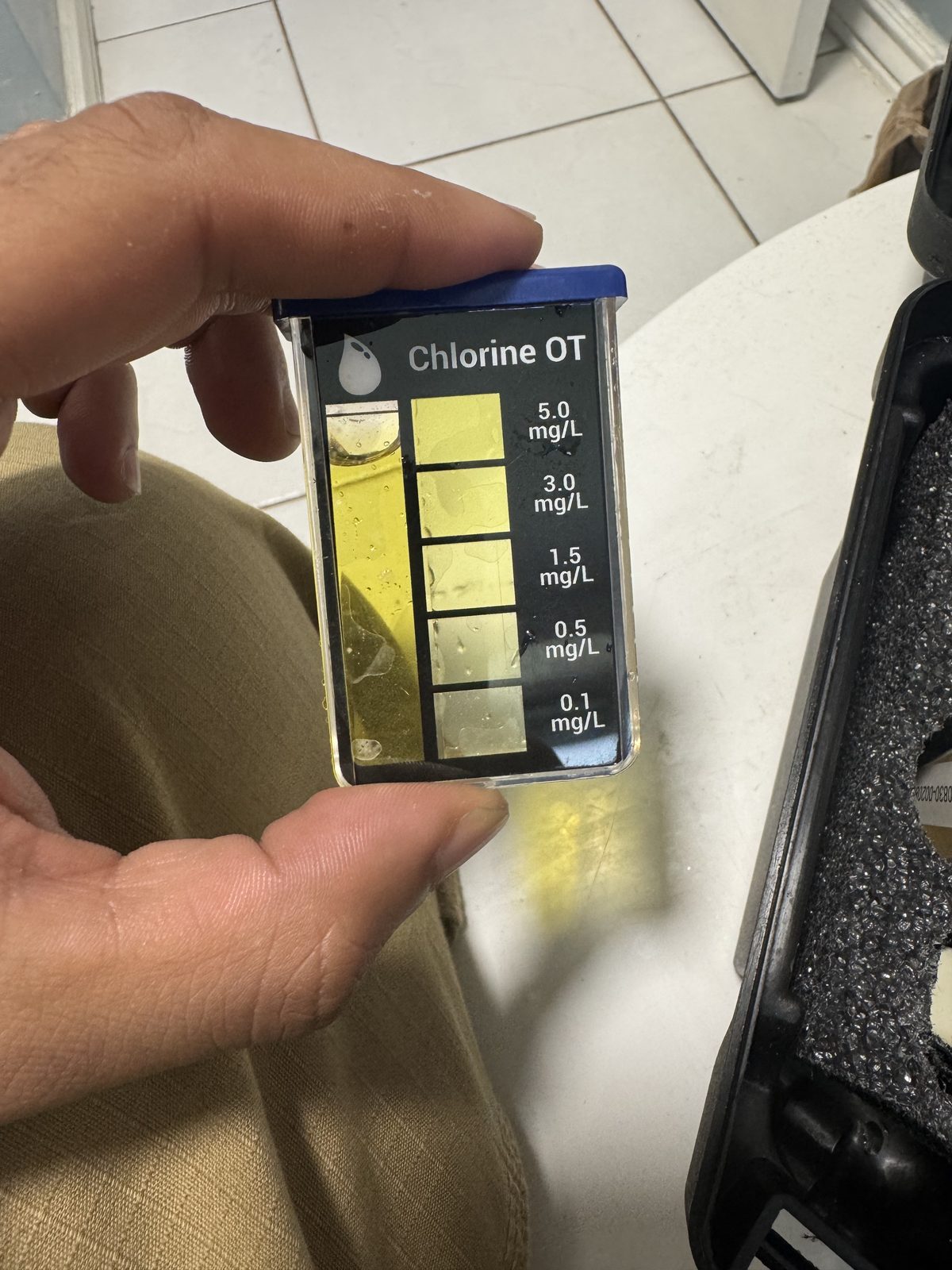

You Cannot Treat What You Haven't Tested. Why Every Water Recommendation Must Start Here.
This is the principle that separates Superior Plumbing Solutions from every other water treatment company in Cape Coral. Most competitors walk in knowing what they're going to recommend before they've tested a single drop. The equipment they sell, the system they install, the invoice they write, all of it was decided before they understood your water.
We don't work that way. Every treatment recommendation we make, every water softener sizing, every filtration system selection, every multi-stage treatment design, begins with confirmed water test data from your home, your specific water source, and your actual plumbing system. Not a ZIP code database. Not a regional average. Your water.
Cape Coral's 200+ square miles contain municipal water homes, private well homes, homes on aging infrastructure, homes near the canal system, and homes in areas where seasonal flooding has historically affected groundwater quality. The water in your home is not identical to your neighbor's. Testing confirms what's actually there.
Get the Right Treatment. Not a Generic Package
A system designed around your actual water chemistry works. A system designed around a regional assumption often doesn't, and you won't know for months.
Avoid Wasting Money on the Wrong Equipment
The wrong filter media, an undersized softener, or an iron filter on water that doesn't need one, all avoidable with a water test.
Understand What Your Water Is Doing to Your Home
Hard water scale, chloramine degradation, iron corrosion, these are plumbing system conditions, not just water quality issues.
Confirm Your Existing Treatment Is Working
A before-and-after hardness test confirms your softener is performing. A chloramine test confirms your filter is still effective. Numbers don't lie.
Know Your Water Before Buying a Home
Home inspectors don't test water chemistry. A pre-purchase analysis tells you exactly what treatment the home needs, before you close.
Track Changes in Well Water Over Time
Well water chemistry shifts seasonally and after weather events. Annual testing catches changes before they cause visible damage or health concerns.
On-Site Analysis vs. Mail-In Kits vs. Sales-Driven Testing. The Critical Difference
Not all water testing is equal. Here is an honest breakdown of what each option actually provides.
Mail-In Test Kits
You collect a sample, mail it to a lab, receive a PDF of numbers days later, with no one to explain what they mean or what to do about them.
Sales-Driven "Free" Testing
A water treatment company offers a free in-home test, but the test is a sales tool, not a diagnostic tool. The recommendation was decided before anyone arrived.
Superior Plumbing. On-Site Analysis
A WQA Master Water Specialist and licensed Master Plumber comes to your home, tests your water with calibrated field equipment, and reviews every result with you before recommending anything.
Every Parameter We Test, and Why Each One Matters in Cape Coral
Our analysis covers the full range of water quality conditions known to occur in Cape Coral and Lee County, municipal and well water. Here's exactly what we test, what normal looks like, and why each parameter matters for your home specifically.
Hardness & Scale Minerals
Disinfection & Municipal Chemistry
pH, TDS & General Chemistry
Iron, Metals & Staining
Sulfur, Odor & Gas
Sediment, Turbidity & Clarity
What Cape Coral's Water Actually Contains. The Local Data Most Companies Skip
Cape Coral Utilities tests and publicly reports water quality data to the EPA. Independent sources including TapWaterData.com additionally analyze this data against health-based benchmarks. Here is what that data shows, and why it matters for your home.
Cape Coral's water is legally compliant with all EPA Maximum Contaminant Levels (MCLs). However, independent analysis shows 4 contaminants above EPA Maximum Contaminant Level Goals (MCLGs) — the more conservative, health-protective benchmarks. Understanding the difference matters.
Sources: Cape Coral Utilities Annual Water Quality Reports; TapWaterData.com independent analysis; WQA field testing conducted by Superior Plumbing Solutions. MCLGs (Maximum Contaminant Level Goals) are non-enforceable health-protective benchmarks. MCLs (Maximum Contaminant Levels) are legally enforceable standards. All listed parameters meet MCLs. Data reflects municipal supply, well water parameters vary by location.
MCL vs. MCLG — The Distinction That Matters
The EPA sets two different standards for drinking water contaminants:
MCL — Maximum Contaminant Level
The legally enforceable standard. Violating an MCL triggers mandatory action by the water utility. Cape Coral municipal water meets all MCLs, it is legally safe to drink.
MCLG — Maximum Contaminant Level Goal
A non-enforceable, health-protective goal, the level at which no known or anticipated health risk exists. Cape Coral water contains 4 contaminants above MCLG, including certain disinfection byproducts. Being above an MCLG doesn't mean the water is dangerous, it means the most conservative health benchmark is exceeded.
For most Cape Coral homeowners, the immediate water quality priorities are hardness (which is actively damaging plumbing and appliances every day) and chlorine (which affect taste, odor, and plumbing material longevity). The disinfection byproducts above MCLG are better addressed with under-sink reverse osmosis for drinking water rather than whole-home treatment.
What this means for your home: Cape Coral's tap water is safe by law, but "legally safe" and "optimized for your plumbing system and your family's comfort" are not the same standard. A water quality analysis at your specific address gives you the real numbers from your taps, not a regional average, and puts them in context for your home.
Our 5-Step On-Site Water Quality Analysis Process
Every analysis follows the same structured WQA methodology, no shortcuts, no skipped steps, no sales pitch until after the data is reviewed.
Schedule & Source Confirmation
We confirm whether your home is on municipal supply or well water, the source determines which parameters are most critical and which tests we prioritize on arrival.
Point-of-Entry Testing
We test water at the main supply point before any treatment equipment, establishing a baseline that reflects what's coming into your home, unfiltered.
Point-of-Use Testing
We test at the kitchen tap, bathroom tap, and any other relevant points, identifying what's actually coming out of your faucets and whether existing equipment is performing.
Plain-Language Review
We go through every result with you, what each number means, what it's doing to your plumbing and daily water use, and which conditions are the most important to address.
Data-Based Recommendation
Based exclusively on your confirmed water chemistry, we recommend the right treatment solution, or confirm that no treatment is needed. No pressure. No assumptions. No generic packages. When treatment is warranted, we match it to the data, whether that's our Superior Pure Filtration system, Superior Silk Softeners, or our Superior Sulfur Conqueror and Superior Iron Conqueror systems for well-water sulfur and iron.
WQA-Methodology Testing
Every analysis follows Water Quality Association standards for water testing and result interpretation, the same methodology used in certified laboratory analysis.
Full Results Review. In Person
You see every number. We explain every number. You leave the consultation knowing exactly what's in your water and what it means, not waiting days for a PDF.
Zero Commission Pressure
Our team is non-commissioned. If your water test shows nothing requires treatment, we tell you that. The data drives the recommendation, not a sales quota.
Six Types of Cape Coral Homeowners Who Need a Water Quality Analysis
If any of these situations apply to you, an on-site water analysis is the right starting point, before spending money on any treatment equipment.
New Homeowners in Cape Coral
You just moved in, or just moved to Southwest Florida. You don't know what the water is like, whether any treatment equipment is working, or what condition the plumbing is in from water chemistry exposure.
Home Buyers. Pre-Purchase
Your home inspector doesn't test water chemistry. If the home has a private well or existing water treatment equipment, knowing the water quality and treatment status before closing protects your investment.
Homeowners Experiencing Symptoms
You're noticing something different, scale buildup that's gotten worse, a new odor, water that tastes different, orange staining, or unexplained appliance failures. These are signals. Water testing identifies the cause.
Treatment Equipment Owners
You have a water softener or filter installed, but you're not sure it's still working correctly. A before-and-after water test confirms whether it's performing to specification or whether it needs service, resin replacement, or an upgrade.
Well Water Homeowners. Annual Testing
Well water chemistry in Lee County shifts seasonally, particularly after heavy rainfall or flooding events when surface water can temporarily affect the aquifer. Annual testing catches changes before they cause visible damage or health concerns.
Health-Conscious Households
Families with young children, pregnant members, immunocompromised individuals, or simply those who want to understand exactly what's in their drinking and cooking water, and whether any additional treatment is warranted beyond the municipal standard.

Schedule Your In-Depth Water Quality Analysis in Cape Coral
We come to you. We test on-site. We explain every result in plain language. We recommend a solution only if the data says one is needed. No pressure. no assumptions. It's all part of The Superior Process. Test-based recommendations from a WQA Master Water Specialist, never generic packages.
What Happens After Your Water Quality Analysis
The analysis is the beginning, not the end. Here is exactly what follows, depending on what the data reveals.
Results Reviewed
Every parameter explained in plain language during the same visit. You understand your water before you make any decisions.
Recommendation Made
If treatment is warranted, we recommend the correct system based on your confirmed chemistry. If no treatment is needed, we tell you that honestly.
Flat-Rate Quote Provided
If you want to proceed, a complete flat-rate price is provided before any work begins. No surprises, no hourly billing, no change orders without your approval.
Licensed Installation
All treatment systems installed by a Florida Licensed Plumbing Contractor CFC1431951. Before-and-after water testing confirms the system is performing to specification before we leave.
The Services We Recommend Based on Analysis Results
Every recommendation links directly back to what the water test confirmed. These are the treatment solutions we install following analysis.
Water Softeners
For confirmed hardness above 120 PPM — sized correctly to your actual PPM and household demand.
Learn More →Water Filtration
Catalytic carbon, RO, iron filters, sulfur removal, matched to your confirmed water chemistry.
Learn More →Water Heater Services
If scale damage is found, descaling, repair, or replacement, and a softener to prevent recurrence.
Learn More →Plumbing Assessment
If water chemistry damage to the plumbing system is identified, a comprehensive plumbing evaluation follows.
Learn More →What Homeowners Say About Our Water Quality Analysis
"Three water companies came out before James. Not one tested the water before recommending equipment. James tested first, showed me every result on a chart, and explained exactly what each number meant for our water lines and water heater. That's the only right way to do it."
"We had a salt-free 'softener' installed by another company. James tested our water and showed us our hardness was 290 PPM — exactly the same before and after the conditioner. He explained that salt-free systems don't actually remove hardness. We replaced it with a real softener. Night and day difference."
"Bought a house with a private well in North Cape Coral. James tested the water before we moved in, found 340 PPM hardness, high iron at 1.8 PPM, and detectable hydrogen sulfide. Recommended a full multi-stage system. Without that analysis, we'd have had no idea what we were dealing with."
"I had a water softener for years and suspected it wasn't working. James tested before and after the softener, confirmed the resin was fouled by iron and it wasn't actually softening. He cleaned the resin and added an iron pre-filter. Tested soft water at the outlet before he left. This is professional."
"James explained the difference between MCL and MCLG for our water, that our water is technically legal but has byproducts above health-goal levels. He recommended a whole-home catalytic carbon filter and an under-sink RO. No other company had ever explained the actual data to us like that."
"I was nervous the water analysis would just be a sales pitch. It wasn't. James tested our water, showed us the results, and said our hardness was 180 PPM — lower than typical Cape Coral. He recommended a water softener but said honestly it was less urgent than a filter for our chloramine levels. That kind of honesty is rare."
The Full Water Treatment Library
Water quality analysis is the starting point, these are the solutions we recommend when the data says treatment is needed.
Water Filtration
Catalytic carbon for chlorine, reverse osmosis, sulfur and iron removal, every system selected after on-site water testing and sized for your confirmed chemistry.
View Water FiltrationWater Softeners
Ion exchange softeners sized precisely for Cape Coral's 200–350+ PPM hard water, grain capacity calculated from your confirmed hardness reading, not a regional estimate.
View Water SoftenersMaster Water Specialist
Why the WQA Master Water Specialist + Florida Master Plumber combination makes Superior Plumbing Solutions different from every other water treatment option in Cape Coral.
Why Certification MattersKnow Exactly What's in Your Cape Coral Water
On-site testing. Plain-language results review. Data-based recommendations. No pressure. no assumptions. 100% Satisfaction Guaranteed. 700+ Five-Star Reviews.