The Benefits of A Water Quality Assessment
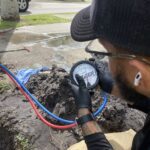
A professional water quality assessment tests for hardness, sediment, pH imbalance, chlorine, and other contaminants that affect plumbing and water heater performance. In Cape Coral, untreated water can reduce efficiency, accelerate corrosion, and shorten appliance lifespan. Testing provides measurable data that allows customized filtration and long-term system protection.
Most Water Problems Start Long Before You Notice Them
Does your water smells slightly off, leave spots on glassware, causes scale buildup, or shortens the life of your appliances? The issue likely isn’t your plumbing system, it’s your water chemistry.
In Cape Coral, Florida, mineral-heavy water, sediment, and disinfectant byproducts are common. Over time, these invisible elements damage water heaters, clog drains, reduce efficiency, and increase repair costs.
Short Answer:
A professional water quality assessment checks for hardness, sediment, pH imbalance, chlorine, iron, and other contaminants.
These issues can affect plumbing performance, appliance lifespan, and water safety. Identifying these factors early allows homeowners and businesses to prevent costly damage and optimize filtration solutions.
In this guide, we’ll explain what the Superior Water Quality Assessment includes. We’ll also show why it’s more thorough than basic strip testing. Finally, we’ll explain how it helps protect your entire plumbing system.
What This Means for Homeowners & Property Managers in Cape Coral
Water quality isn’t just about taste it affects:
- Water heater lifespan
- Drain performance
- Pipe corrosion
- Fixture longevity
- Appliance efficiency
- Energy bills
- Maintenance frequency
Poor water quality often appears as:
- White scale buildup on faucets
- Cloudy glassware
- Frequent water heater flushing
- Reduced hot water efficiency
- Skin irritation or dryness
- Increased maintenance calls
- Shorter appliance lifecycles
- Higher utility costs
- Tenant complaints
- Warranty issues on tankless systems
Think of water quality like oil in a car. If it’s contaminated, every mechanical component wears out faster.
Why It Matters: The Real Cost of Ignoring Water Chemistry
1. Hard Water Accelerates Appliance Failure
Hard water is common in Southwest Florida which contains elevated levels of calcium and magnesium. When heated, these minerals form scale.
Scale:
- Reduces water heater efficiency by up to 30–48%
- Causes heating elements to overheat
- Restricts tankless heat exchangers
- Shortens system lifespan by years
2. Sediment Damages Plumbing & Drains
Fine sediment settles in:
- Water heater tanks
- Toilet fill valves
- Shower cartridges
- Drain traps
Over time, this contributes to clog formation and premature component failure.
3. pH Imbalance Causes Corrosion
Water that is too acidic or too alkaline can:
- Degrade copper piping
- Damage anode rods
- Contribute to internal corrosion
- Increase risk of pinhole leaks
4. Chlorine & Chemical Byproducts Impact System Longevity
Municipal water is treated for safety, but residual chlorine can:
- Dry out seals and gaskets.
- Increase wear on rubber components
- Affect taste and odor
A water quality assessment identifies whether mitigation is necessary.
Inside the Superior Water Quality Assessment: What We Test & Why
Unlike basic DIY kits, a professional assessment evaluates the full chemistry profile of your water.
Here’s what’s included:
1. Hardness Testing (Grains Per Gallon)
Why it matters:
Determines scale risk for water heaters, tankless systems, dishwashers, and washing machines.
What we measure:
Calcium & magnesium concentration.
2. Total Dissolved Solids (TDS)
Why it matters:
High TDS levels can indicate excessive mineral content, impacting taste and system wear.
3. pH Level
Why it matters:
Improper pH accelerates pipe corrosion and metal leaching.
Ideal residential PH range: 6.5–8.5.
4. Iron & Manganese
Why it matters:
Can stain fixtures, discolor water, and contribute to buildup.
5. Chlorine & Chemical Residuals
Why it matters:
Impacts taste, odor, and component longevity.
6. Sediment & Turbidity
Why it matters:
Suspended particles damage valves, clog fixtures, and settle in tanks.
7. Visual & Mechanical System Inspection
We also assess:
- Water heater condition
- Drain flow performance
- Existing filtration systems
- Scale presence
- Anode rod wear (if accessible)
This connects water chemistry directly to system performance.
Our Framework: Test → Diagnose → Protect
To ensure long-term results, we follow a four-stage approach:
Step 1: Comprehensive Testing
We gather measurable, accurate water chemistry data.
Step 2: System Impact Analysis
We evaluate how your current water affects:
- Water heaters
- Tankless systems
- Plumbing lines
- Drains
Step 3: Customized Recommendations
No one-size-fits-all solutions. We design systems based on:
- Hardness level
- Household size
- Usage patterns
- Commercial demands
Step 4: Ongoing Monitoring
Water chemistry can change over time. Periodic reassessment ensures continued protection.
Common Myths About Water Testing
“If my water looks clear, it’s fine.”
Most damaging minerals are invisible.
“City water doesn’t need testing.”
Municipal water is treated for safety, not appliance longevity.
“DIY strips are accurate enough.”
Basic strips provide limited insight and often miss TDS, sediment impact, and system-specific risks.
“Water softeners solve everything.”
Softening addresses hardness not sediment, chlorine, or pH imbalance.
Pro Tips From Water Treatment & Plumbing Specialists
- Test water before installing a new tankless heater.
- Don’t wait for scale buildup to appear visibly.
- Combine sediment filtration with hardness treatment.
- Evaluate pH annually in coastal regions.
- Inspect water heater condition during testing.
FAQs: Water Quality Assessments in Cape Coral
How often should water be tested?
Residential systems should be tested every 1–2 years. Commercial properties may require annual evaluation.
Does testing help extend water heater life?
Yes. Identifying scale risk early allows preventative treatment that can extend lifespan by 5–10 years.
Is water testing only for well water?
No. Municipal water can still contain hardness, chlorine, and sediment that impact plumbing systems.
How long does an assessment take?
Most professional evaluations take under an hour and provide immediate actionable results.
Can poor water quality affect drain systems?
Yes. Mineral deposits and sediment contribute to buildup inside pipes and traps, increasing clog risk.
Final Takeaways:
Your plumbing system is only as good as the water flowing through it.
Ignoring water chemistry can lead to:
- Early water heater replacement
- Increased drain cleaning frequency
- Pipe corrosion
- Reduced appliance lifespan
- Higher energy bills
A professional water quality assessment provides clarity, measurable data, and a path toward long-term protection.
Schedule a Water Quality Assessment and protect your plumbing from the inside out.